
What to Pack for Timbuktu
Complete packing checklist tailored to Timbuktu's climate and culture
Climate Overview for Timbuktu
Timbuktu's climate shifts dramatically with the seasons. Pack smart. The Sahara sends fine dust everywhere, coating mud-brick walls and settling into every crevice. Intense sunlight bounces off pale architecture. Bring eye protection. Evening breezes cut through daytime heat. From November to March, the Harmattan wind hammers the city with suspended dust. Visibility drops. Skin feels gritty. Days run warm. Nights turn cold, in dry months. Layer your clothing. You need sun protection and defense against wind-blown sand. Adaptability matters here.
Clothing & Footwear

Timbuktu's streets are sand and uneven earth. Wear sturdy, closed-toe shoes. You will feel grit underfoot. Comfort matters. The Djinguereber Mosque and old town lanes demand all-day support. Protection is key.

Dry heat dominates Timbuktu. Quick-dry fabrics work best. Laundry options are scarce. Hand-wash items that dry fast. This saves luggage space. Practicality wins.

Packing cubes compress clothing. Flights to Timbuktu have strict weight limits. These help. They also separate clean clothes from dust-covered ones. The fine dust gets everywhere. Organization matters.

Bring a packable day bag. Carry water, sun hat, and market purchases. Manuscripts and crafts need transport. Store it easily when empty. Simple.
Electronics & Gadgets

Timbuktu uses European two-pin round plugs. A universal adapter is essential. Charge your devices at your accommodation. Replacement options barely exist locally. Plan ahead.

Power fails in Timbuktu. Carry a high-capacity power bank. Keep your phone and camera charged. Navigation, communication, and photography depend on it. The mosques and libraries demand documentation. Be ready.
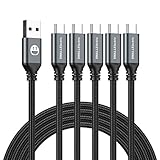
Dust destroys cheap cables. Pack durable, braided spares. Charge your phone and power bank without worry. Reliability matters here.
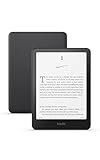
Evenings cool down. The city quiets. A Kindle beats phone glare. Read about the Mali Empire. Read travel narratives. One lamp suffices. Rest your eyes.
Older guesthouses have few outlets. Bring a compact USB strip. Charge multiple devices from one socket. Those sockets may be unstable. Prepare for limitations.
Toiletries & Health

A clear toiletry bag speeds security checks. Flights into Mali require efficiency. In Timbuktu, it protects essentials from dust. Dust invades everywhere, even bathrooms. Containment helps.

Pack a first aid kit. This is non-negotiable. Include antiseptic wipes, bandages, and stomach remedies. Well-stocked pharmacies are not guaranteed. Assume self-sufficiency.

Solid toiletries prevent spills. Bumpy roads lead to Timbuktu. Bars last longer. They reduce plastic waste. Remote places appreciate this consideration.

Organize prescription medications carefully. The dry, dusty climate threatens pill integrity. Keep them clean and secure. Replacements are unavailable. Plan for your entire stay.
Documents & Security

Protect your passport, Mali visa, and vaccination records. A dedicated holder guards against dust and wear. Electronic theft is rare here. Physical damage is the risk. These documents are irreplaceable.

Carry cash and a backup card discreetly. A money belt works in crowded markets. It helps at the Ahmed Baba Institute. Peace of mind has value.

Lock your luggage on flights to Timbuktu. Secure your backpack at your accommodation. Use combination locks. Keys get lost in sand. Eliminate that risk.

Reaching Timbuktu involves complex routing. Track your checked luggage. Monitor it through layovers. Know its location on the final flight. Reassurance is worth the effort.
Comfort & Convenience

Street lighting is minimal in Timbuktu. Morning sun arrives early and bright. Pack a sleep mask. Rest matters. You will walk under brutal Saharan sun. Recover properly.

Night brings distant calls to prayer. Dogs bark. Activity starts early. Soft silicone earplugs block the noise. Sleep is important. Energy determines your days.

Evenings turn cool fast. Peak summer excepted. A compact travel blanket serves multiple purposes. Use it on flights. Use it in guesthouses. Bedding often disappoints.
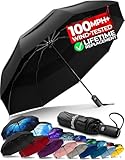
Rain rarely falls on Timbuktu. A compact umbrella still earns its place. Deploy it as portable shade. The midday sun punishes. Shade between sites matters more than hats alone.

The Timbuktu market rewards visitors. Buy woven baskets, spices, souvenirs. A foldable bag carries everything. Plastic bags from vendors are flimsy. Bring your own.
Outdoor & Hiking Gear
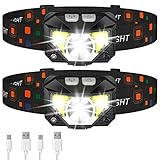
Power cuts darken Timbuktu's streets. Paths are uneven and sandy. Navigate safely with a hands-free headlamp. Return to your lodging after evening meals. Visibility is survival.

Tap water in Timbuktu is not safe for drinking. A reliable filter allows you to safely purify water from your accommodation, reducing reliance on single-use plastic bottles and ensuring hydration in the dry climate.
Seasonal Packing Adjustments
What to add or skip depending on when you visit
Cool Dry Season
November, December, January, February
Add: Warmer layers like a fleece or light jacket, Lip balm and heavy moisturizer
Shop Cool Dry Season essentials →Nights and early mornings in Timbuktu are distinctly cold during this period. You will feel a sharp, dry chill in the air after sunset. Pack for layering. The Harmattan wind often brings a persistent haze of dust, so protective eyewear like sunglasses is essential during the day.
Hot Dry Season
March, April, May, June
Add: Wide-brimmed sun hat, High-SPF sunscreen, Light, long-sleeved linen shirts
Shop Hot Dry Season essentials →Skip: Heavy warm layers
Daytime heat in Timbuktu is intense and the sun feels scorching. You will see a blinding glare off light-colored buildings. Focus on light-colored, loose, breathable clothing that covers the skin for sun protection. Hydration matters. Always carry your filtered water.
Rainy Season
July, August, September
Add: Lightweight rain jacket, Waterproof bags for electronics, Quick-dry footwear
Shop Rainy Season essentials →Rainfall is sporadic but can be heavy, turning Timbuktu's sandy streets to mud in places. The air feels humid and thick. While rain is infrequent, a downpour can disrupt travel on unpaved roads around the city, so flexibility in plans is advised.
Luggage Recommendation
A durable, medium-sized travel backpack or a soft-sided rolling duffel is good for Timbuktu. Hard-shell suitcases are difficult to maneuver on sandy, unpaved paths and inside smaller vehicles. Ensure your main bag is lockable and meets carry-on size restrictions for regional flights, as checked baggage on small aircraft to Timbuktu has strict weight limits, often around 15kg.
Shop Carry-On Luggage on AmazonPro Packing Tips
Practical advice from experienced travelers
Don't Pack
- Heavy hiking boots. The terrain in Timbuktu itself is flat and sandy. Comfortable walking shoes are sufficient. Save space and weight.
- Large bottles of shampoo or conditioner. These are widely available at shops in Timbuktu's market, and solid travel bars are more efficient.
- Excessive formal clothing. Dress in Timbuktu is modest but practical. Pack versatile, casual layers suitable for a historical and cultural destination.
- A heavy tripod. The light is typically brilliant in Timbuktu, reducing the need for long exposures. A mini tripod or gorillapod is more practical for the conditions.
- Multiple heavy guidebooks. One complete physical guide is enough. For additional reading, use an e-reader to save important luggage weight.
Buy Locally
- Local SIM card for data. Purchase a Malitel or Orange SIM at the Bamako airport upon arrival or from a dedicated shop in Timbuktu's market area for better local rates.
- Traditional indigo-dyed fabrics (Bogolan) or Tuareg silver jewelry. These are authentic souvenirs best bought from artisans in the Timbuktu market, supporting local crafts directly.
- Bottled water. While a filter is recommended, bottled water is readily available in Timbuktu for backup. Purchase from small shops or your hotel.
Packing Hacks
- Roll clothes instead of folding to save space
- Pack shoes in shower caps to protect clothes
- Use packing cubes to stay organized
- Keep essentials in your carry-on
Continue Planning Your Trip
More guides to help you prepare
Ready to plan your trip to Timbuktu?
Now that you've got the research covered, here's where to go next.